
A Love Letter to Redfish

Flylab
Feb 17, 2026
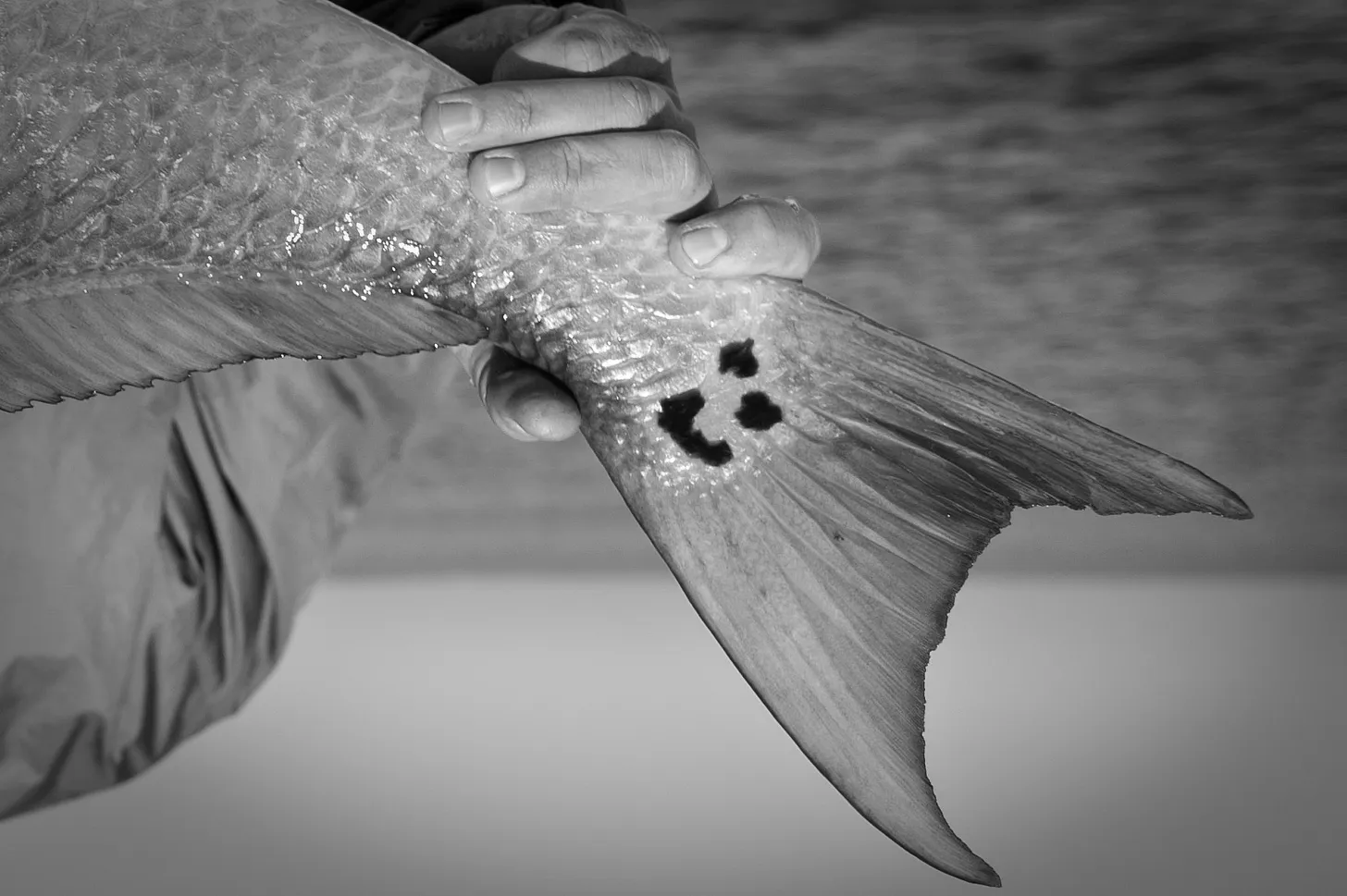
A Love Letter to Redfish
“In a bucket-list culture, much of our attention goes to the exotic–the fish that justify airline miles, weeks of planning and always seem to require a camera nearby. Permit gliding over white sand. Bonefish that look like small submarines. Tarpon exploding in sprays of water, fly placed perfectly in the button.
You know the deal.
Those fish matter. They’ve earned their place in our lexicon. They’ve fueled dreams, forged friendships and fed an entire industry. I get it. I really do.
But there is just something special, at least to me, about redfish.”
Read Hunter Leavine’s redfish piece on Substack.
We Review Three Trout Reels
“There are fly reels built to do a job (hold backing and fly line, balance the rod, land fish) and that’s about it, and then there are fly reels built to meet functional as well as aesthetic benchmarks. ‘Designed in collaboration with renowned Ukrainian fly reel designer Vlad Rachenko of VR reels fame,’ the Trutta Hubless fly reel is in the latter category. This is a smaller (3.2 inch diameter / 3.74 ounce) reel, intended for smaller fish and 3- to 5-weight lines. The modest, but incredibly smooth ‘clicker’ drag provides the most novel aspect of the reel’s design–embedded beneath the reel handle, the clicker rotates over a pitted hub and provides a baseline ‘drag’ and less grating audible feedback than most standard click-and-pawls.’”
Read the entire article on Substack.
An Observation on Observation
“One of the acute differences I see between professional anglers and amateurs–and I use ‘amateurs’ here in the best sense of the word–is in their respective approaches and entry to water they’re about to fish.
Professionals always make a cautious approach and careful examination of the shallows. They’re looking for fish, those either visible or rising. Should visibility be limited, the shallows are probed with a series of casts before ever stepping into the water. Pros utilize this approach on rivers, streams, lakes, ponds–every kind of water they fish. Amateur anglers don’t do this. Almost universally, they immediately and unthinkingly wade for deeper water.”
Read the entire article on Substack.
On Skates, Ski Boots and Fly Rods
“Yes, I crave performance when I cast a fly rod. I expect it. And I’ll pay a grand or more for a pro-level rod that’s genuinely special. But I also understand that every angler is different, and when it comes to actually enjoying an experience on the water, the rod most people fish is really about 10% of the total equation.
My dear friend, Todd Tanner, recently posed a worthy question in a story he wrote for Hatch magazine: “Do you have the skills to judge a fly rod?” He makes great points and rightfully suggests that being able to cast a straight line, or make curve casts, and false casts, and handle the wind, are prerequisites for being able to fairly judge the true performance of a fly rod.”
Read the entire article on Substack.
Castwork: Dan Stein
“Dan has a thick, wiry beard and sun-battered skin that reflects years of floating the Bighorn River and hunting the hills and northern high plains. He has a gangly cowboy gait and stiff joints from a life hard-lived. But beneath the rugged exterior is a person with an ‘aw shucks,’ sometimes bashful, demeanor and a big kid laugh. Though he guides hundreds of trips every year and we only had fished with him once before, he remembers us. Meeting back up with Dan Stein is like a reunion with an old friend…”
Read the entire book excerpt on Substack.
The Double Haul: Questions and Answers
“Learning the double haul will make your fishing life much easier by broadening the situations in which you can be successful. Just don’t learn too soon. It’s best to develop a mechanically sound casting stroke first, taking whatever time is necessary to do so, and only then adding in the double haul. By doing this, your ceiling as a caster elevates–a lot. Anglers who learn to haul before they possess good mechanics are more often than not doomed to casting mediocrity. It’s as if learning to haul causes all other casting faults to immediately ossify, ingraining them forever, foreclosing on any potential future progress. But for anglers patient enough to learn once their fundamentals are sound, the benefits of hauling become additive to their casting strokes, allowing them to flourish in difficult situations they would otherwise be unable to handle.”
Read the entire article on Substack.
From Rolf Nylinder: The Simple Pleasure of Reading the Forest. “I followed forest ecologist Carl Jansson into the taiga of northern Sweden to learn about species–lichens, fungi, birds, plants and the overlooked details of the forest…”
Subscribe to our newsletter and get the best of Flylab in your inbox.
Share


